

Note: We will not provide any partisan commentary.
Where to begin?
After the most contentious U.S. election of our lifetime, we find ourselves in familiar territory—pundits scratching their heads, polls falling short, and business leaders wondering what it all means.
Majority Rule… Sort Of
As of this writing, it appears Republicans will hold a razor-thin majority in both the House and Senate. A handful of moderates will wield enormous influence, much in the way Joe Manchin did in the last Congress. Expect a similar dynamic, only now with a few GOP senators such as Susan Collins of Maine acting as the adults in the room.
The upshot? Don’t count on a unified, aggressive agenda from Congress. Legislative moves, especially anything sweeping or controversial, will need to pass the “moderate test,” which will slow down any bold policy shifts. This will take some bite out of Trump’s campaign promises.
Tariffs: More Bark Than Bite?
The President Elect never saw a tariff he didn’t like. Many economists believe his proposals are merely a negotiation tactic. The president does have the ability to impose tariffs unilaterally.
For businesses, the impact of tariffs is more nuanced than headlines suggest. A 60% tariff on Chinese goods would certainly be countered with a tariff on U.S. goods. Some of the tariffs get absorbed into profit margins, some are passed onto consumers, and some get offset by a strong dollar, which makes imports slightly less painful. Bottom line: unless you’re heavily dependent on Chinese imports, don’t panic. Tariff negotiations could create short-term fluctuations, but the probable impact is far less than what we see in the news. Also, in Trump’s first term, tariffs didn’t take effect for roughly 9 months.
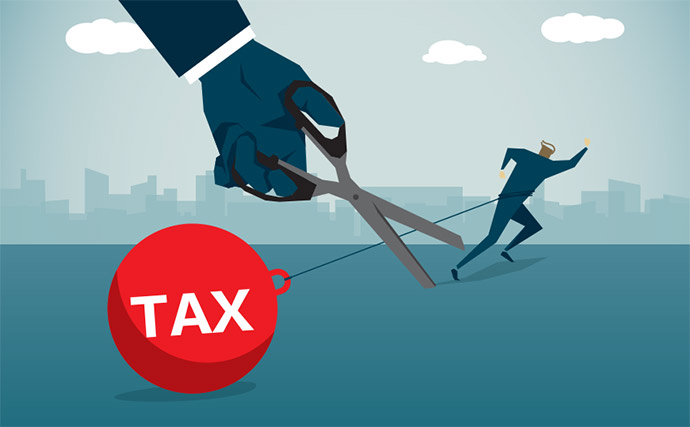
Tax Cuts at What Price?
Interest Rates and T-Bills: The Strange Case of Mixed Signals
What It All Means: The Big Contradiction
The markets had priced in 4-quarter-point cuts next year. But if you buy that both tax cuts (which spur economic activity) and tariffs are inflationary, how could the Fed cut more? Powell is clearly in a pickle, as his priority is to curb inflation.
But know that 2025 is already baked, and the impact of tariffs and tax reform are to take hold in 2026. As the old saying goes, the devil is in the details.
By Marc Emmer for Vistage: Technology Trends for 2024 and beyond

By Marc Emmer for Vistage: Ecological Trends for 2024 and beyond

Federal Reserve Press Conference
Book by Marc Emmer – Momentum: How Companies Decide What To Do Next
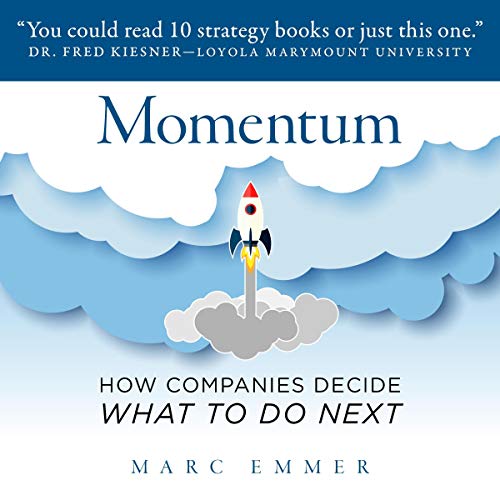
In a world of volatility and hyper-competition, management teams face gut-wrenching decisions about how to grow, where to diversify and when to take on risk. As soon as a company establishes competitive advantage, its strategies are copied by competitors, requiring them to reinvent themselves once again.
Momentum offers the secrets of high-growth companies and practical techniques that management teams can use to chart their course and seize the opportunities ahead.
The Strategy Experts

Marc Emmer is President and Chief Strategist & Facilitator at Optimize Inc.
He is an author, speaker and consultant recognized as a thought leader throughout North America as an expert in strategic planning.


