

The wildfires that devastated Southern California in January have exposed a larger gap in our economy: shifting fundamentals in the broader insurance market. Insurance companies, savaged by hurricanes, floods, and tornados, are rethinking their business models.
It’s estimated that the damage in LA will cost over $250 billion. Proposition 103, a California law passed in 1988, only allows for a 6.9% increase in various insurance rates. In a recent meeting with California’s insurance commissioner, State Farm requested a 22% increase. We bet most Angelenos would find that getting off cheap.
The Fair Plan had $377 million in cash as of January 6—only about 10% of the $4 billion in claims it expects to pay in the Palisades alone. The rebuild in LA is less about the cost and timing of the construction, and more about when the insurance market will make places like the Palisades inhabitable again. Rumor has it that the city will require structures that survived the fire to be demolished, as underground infrastructure will need to be completely rebuilt.
As we predicted on this page right after the fires, the City of Los Angeles has plans for a public-private partnership that would allow homeowners to buy prefabricated homes under various designs, enabling them to build at a fraction of the cost of custom homes.
These houses will be built on an accelerated schedule. This approach may make sense, but owners in the Palisades—with homes that cost up to $30 million—are certain to want to do things their own way, including hiring their own architects and contractors. In our conversations with SoCal general contractors, they are not enthused about building in an area where the hazards and delays are not well understood.
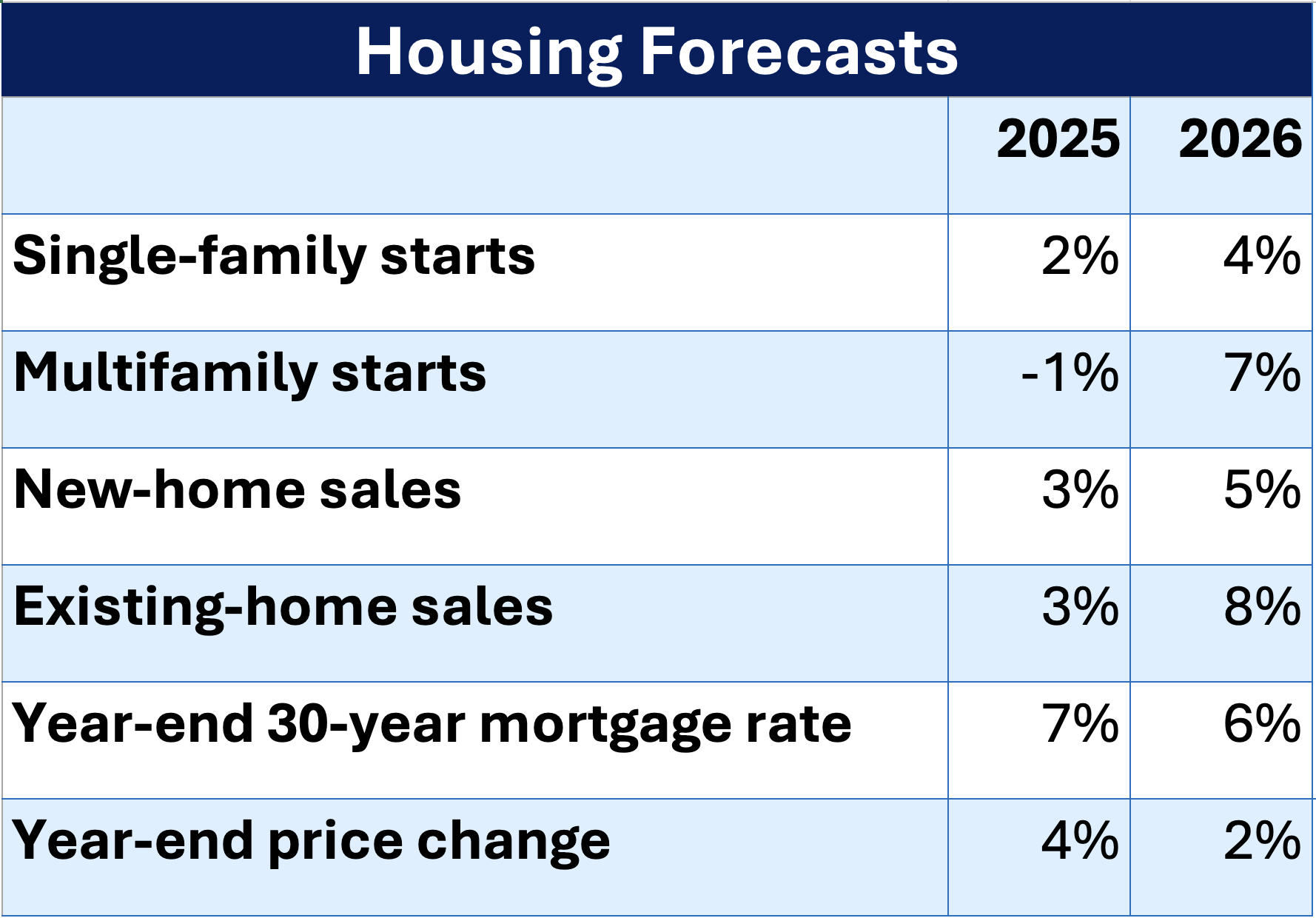
Update on National Real Estate Market
Real Estate Going Vertical
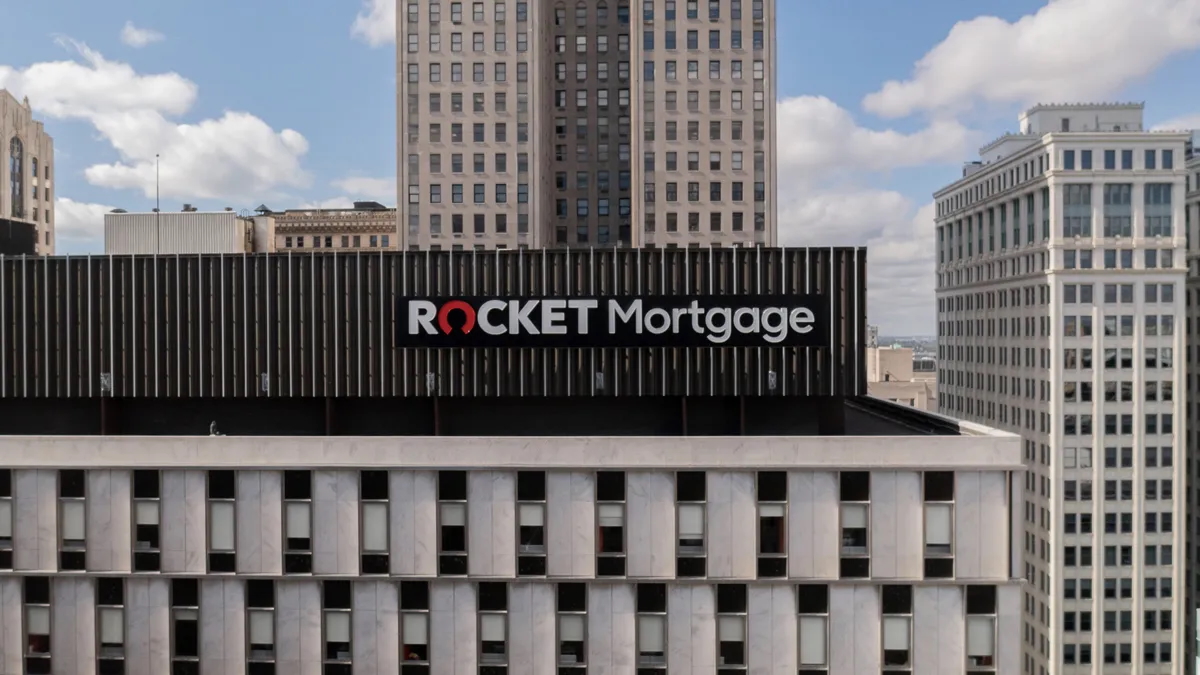
Meanwhile, Rocket Mortgage announced a deal to buy Redfin, the online real estate platform. Historically, buying a home has been a fragmented experience for buyers, riddled with handoffs between realtors, lenders, and closing agents.
This is just the latest in a series of deals where real estate search, agent services, mortgage approval, and closing logistics are unified under one roof. Companies are seeking the efficiencies gained by integrating systems and data, and leveraging technology to accelerate manual processes. Now customers can browse listings, get pre-approved, and secure a loan—all within a single ecosystem. While vertical integration (such as in the healthcare system) may not always feel seamless, it can drive real value for consumers.
Selling in Uncertainty
During COVID, buyer behavior shifted overnight. Amid economic uncertainty, many buyers stalled projects. This behavior extended beyond the pandemic, as customers in industries such as construction slowed their roll in approving projects.
Now we find ourselves in a new type of slowdown, as tariffs and government austerity measures have created doubt. So don’t be surprised if your clients and prospects stop returning your calls. They’re not even saying no—they’re saying “I don’t know.”
If you’re observing such behavior, see our video below or pick up a copy of The Jolt Effect, which provides a framework for combating indecision.
Book Recommendation: The Jolt Effect
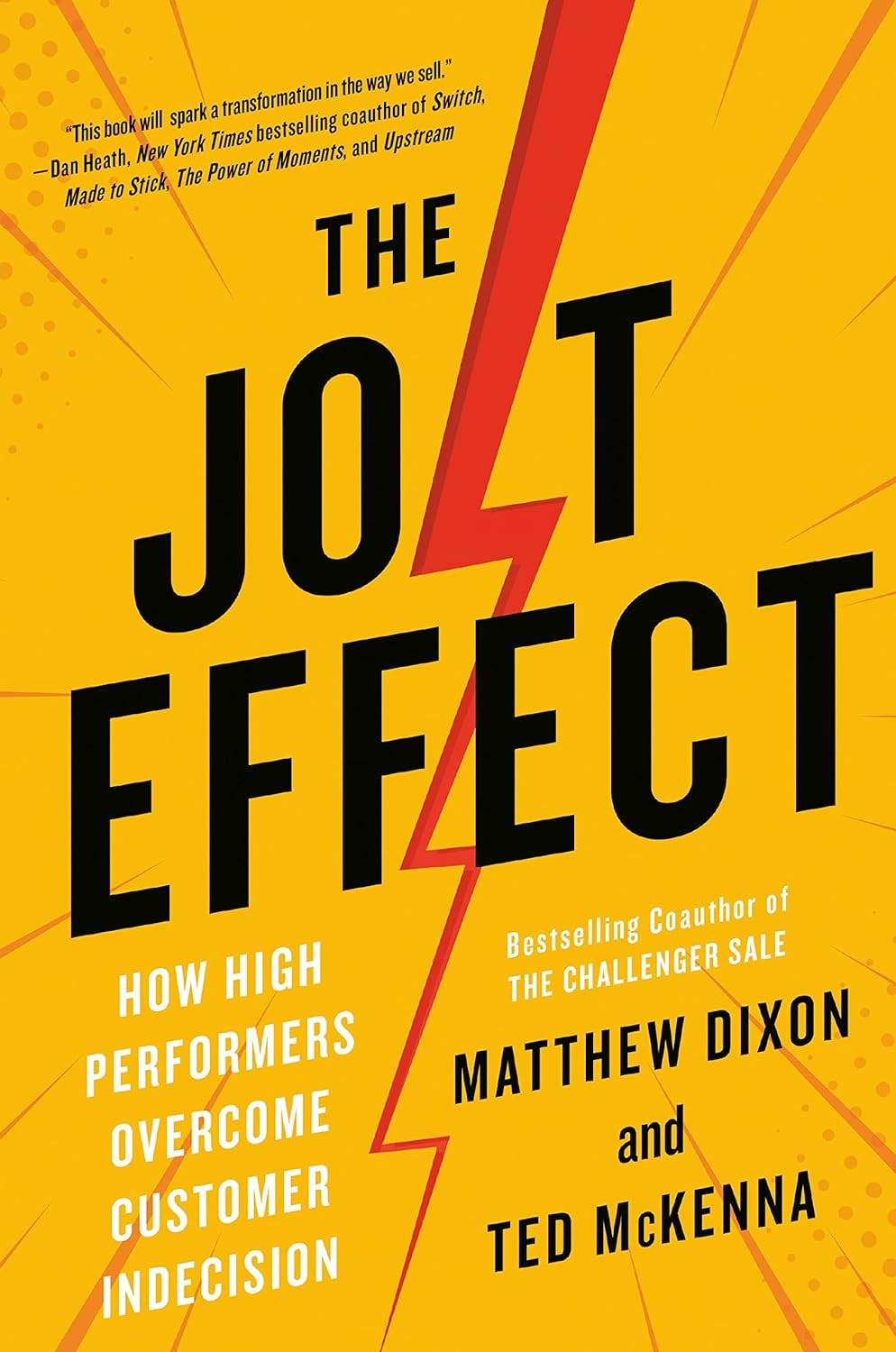
A new study of 2.5 million sales conversations reveals why customers tend to chose inaction over action and the counterintuitive playbook—the “JOLT Effect approach”—that high performers use to overcome customer indecision and close more deals.
Video: Strategy Brief – Customer Behavior
Podcast Recommendation: Diary of a CEO – The Speaking Coach
Jefferson Fisher reveals the courtroom-tested tricks that win cases AND everyday conversations.
The Strategy Experts

Marc Emmer is President and Chief Strategist & Facilitator at Optimize Inc.
He is an author, speaker and consultant recognized as a thought leader throughout North America as an expert in strategic planning.


