

While Trump’s trade policy has ignited a firestorm, we view “reciprocal tariffs” as an expensive distraction. His saber-rattling was directed at Mexico, Canada, Vietnam and others, but the real battle lines have been drawn with China.
This is the latest flare-up in trade tensions after China’s admission into the World Trade Organization 23 years ago, which was supposed to usher China into the global trading system. But instead of embracing free-trade rules, China exploited them. The Chinese government manipulated its currency to keep exports cheap, mandated “technology transfer” as the price of market access (a euphemism if there ever was one), and stands accused of rampant cyber theft, all while shielding its own firms from U.S. competition. American companies operating in China find themselves competing with the Chinese government.
Critics of the U.S. tariffs argue that they signal a retreat from globalism, but this reflects a fundamental misunderstanding of the order of events. China has long been preparing to isolate itself economically from the West. In 2015, it launched its Made in China 2025 plan to dominate advanced manufacturing sectors, from AI to aerospace. In 2020, it announced its “dual circulation” strategy—a push to reduce dependence on foreign markets and technology. It’s not that the U.S. has declared a trade war on China; it’s that China was never interested in free trade with the U.S.
While it’s hard to understand or defend Trump’s actions, one must also ponder the alternative. Developed nations of the world such as Germany, France, the UK, Australia and the U.S. have become so passive that they allow a world order that permits Russia’s invasion of Ukraine, terrorists attacking shipping lanes, and 59 hostages to remain in Gaza. The loud voices that decry Trump as a tyrant have sat idle while dictators and terrorists threaten our freedoms and free trade around the world. If we allow the pendulum to swing too far in one direction, we will face the consequences of it swinging to the opposite extreme.
China, sensing a vacuum of leadership and the will to combat its malfeasance, has exploited the situation economically, technologically and militarily in its alliances with Iran, North Korea and Russia. In a recent 60 Minutes episode there was a strong implication that China was behind the recent wave of drone sightings over U.S. military bases, on the heels of brazen spy balloon flyovers the year before. China’s ability to control industries has ramifications such as the fact that almost all drones are made there. Is there any doubt that it will now amplify its aggressions in the South China Sea? Its endgame is to take control of Taiwan and its chip production.
This isn’t about steel, semiconductors, or tariffs; it’s about the collision of two fundamentally different systems. One rewards freedom, innovation, and competition. The other favors control, central planning and manipulation, and will go to any means necessary to exploit international trade. Trump lacks a cohesive strategy, and we will all bear a cost with tariffs. We should also have greater urgency to combat what is an existential threat to the United States. Something must be done to level the playing field on trade to ensure that American companies can compete and protect their intellectual property. Let’s hope our government can find a rational solution that supports prosperity and peace. We all want that, don’t we?
By Marc Emmer for Vistage: Mergers & Acquisitions Trends for 2025 and Beyond

It’s been the best of times and worst of times for mergers and acquisitions. As volume and valuations rose in Q4 of 2024, it was expected that the New Year would bring a resurgent M&A market. The potential for cheaper borrowing costs and less regulation fueled a rally in January.
But the party may be over, at least for now. With the prospect of tariffs, government austerity measures and contracting GDP, the threat of volatility may be worse than volatility itself. Headed into the year the market had priced in a 100-basis-point decline in interest rates, but Federal Reserve Chair Jerome Powell has been accused of being someone who comes late to parties.
Video by Marc Emmer – Strategy Brief: Custom GPTs
Podcast – $13M But Zero Cash: Why Net Worth is a Lie
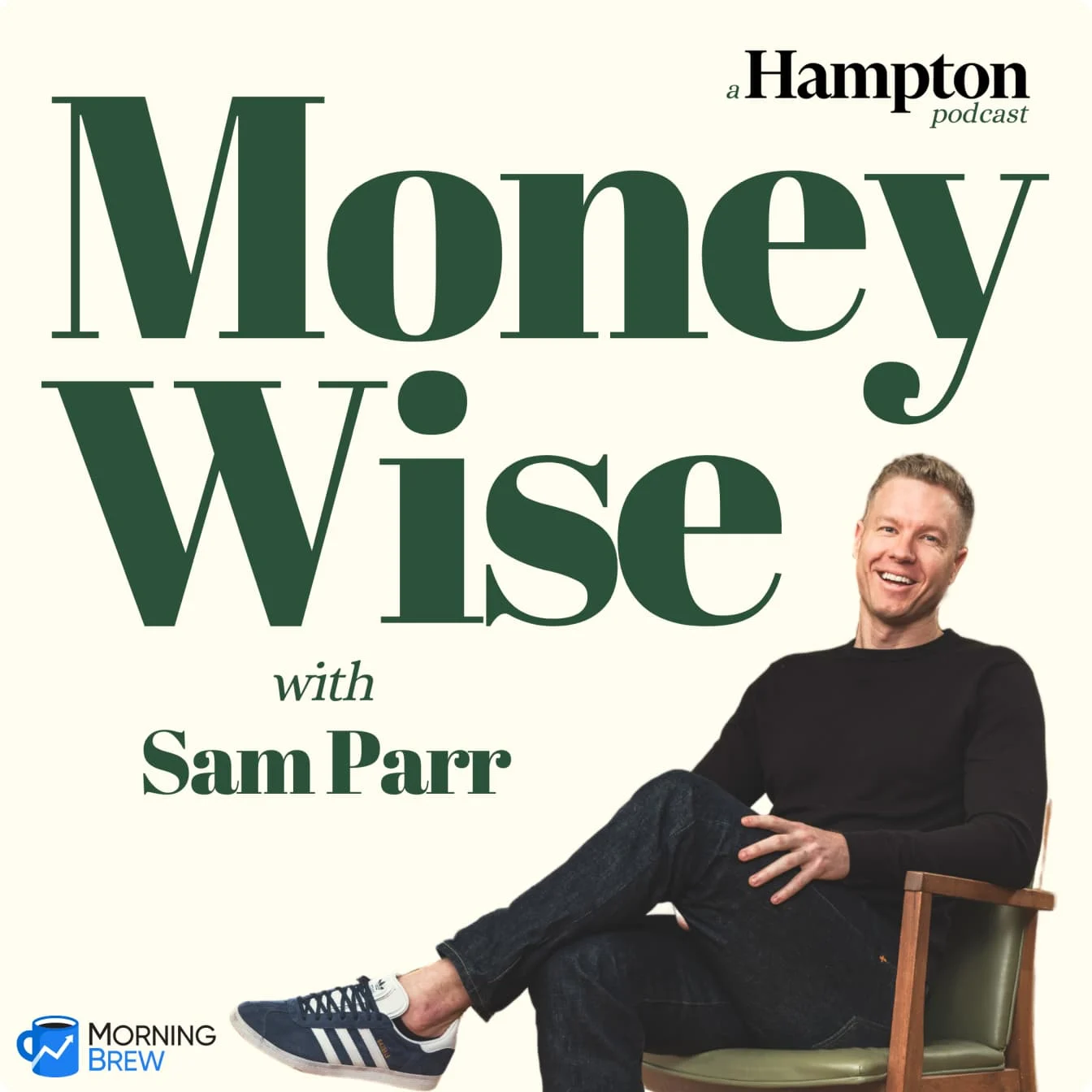
Mike Brown built an oil & gas empire, scaled his net worth to nearly $20 million, but ended up cash poor, losing $1.8M in a failed bet, and borrowing money from his wife to pay taxes. Now, he’s rebuilt his fortune, redefined what wealth really means, and is living a life designed around freedom, not just big numbers.
Book Recommendation: The Age of AI – And Our Human Future
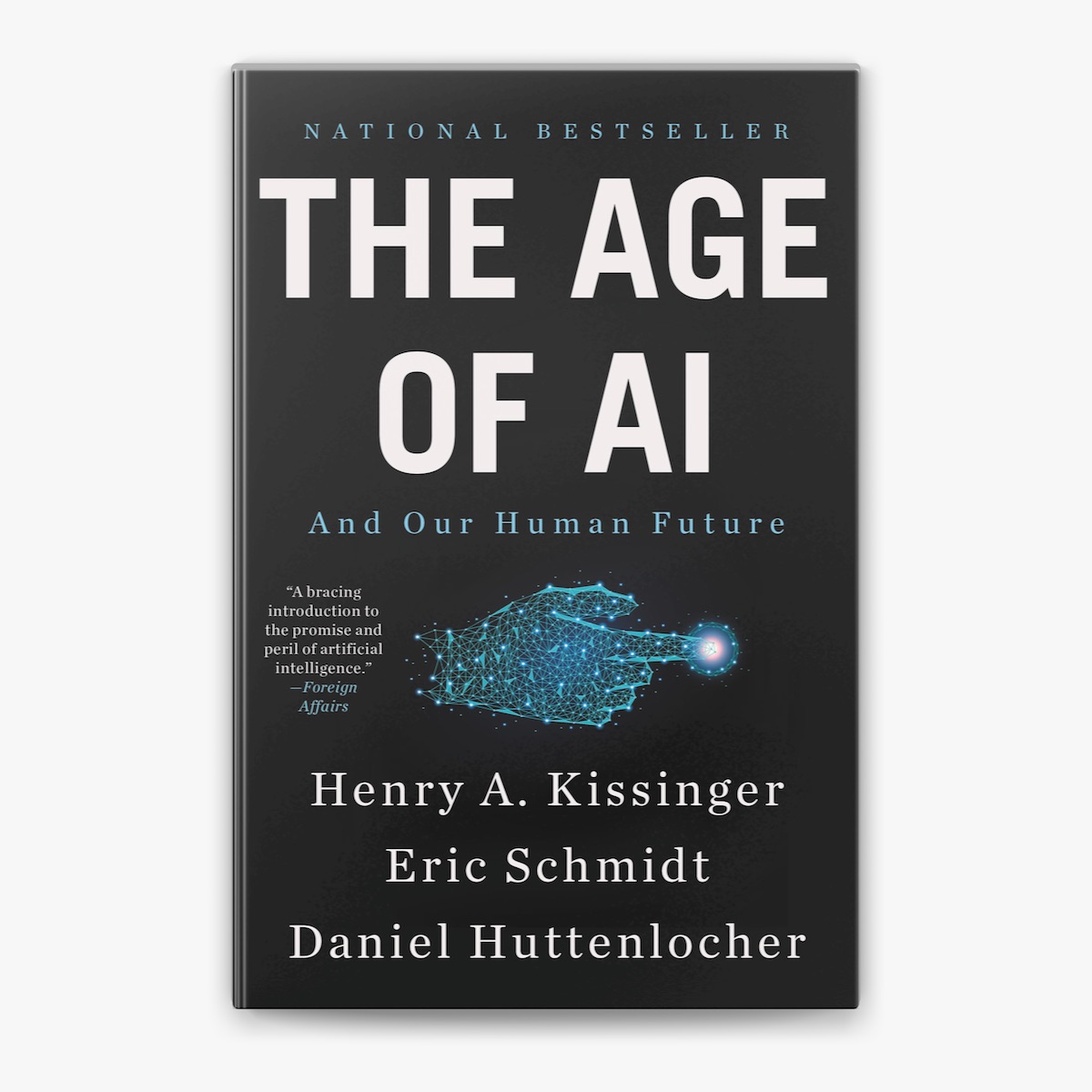
Generative AI is filling the internet with false information. Artists, writers, and many other professionals are in fear of their jobs. AI is discovering new medicines, running military drones, and transforming the world around us—yet we do not understand the decisions it makes, and we don’t know how to control them.
The Strategy Experts

Marc Emmer is President and Chief Strategist & Facilitator at Optimize Inc.
He is an author, speaker and consultant recognized as a thought leader throughout North America as an expert in strategic planning.


