

In the first jobs report since the abrupt firing of Bureau of Labor Statistics Commissioner Erika McEntarfer, the data came in with a thud. The U.S. economy added just 22,000 jobs in August, far short of the 75,000 economists had expected. It was the weakest print in nearly four years and confirmation that the labor market, once running hot, is finally cooling.
For years, we’ve suggested that monthly job growth in the 150,000–200,000 range was too high for the Federal Reserve to ease its foot off the brake. But now? Even seasoned Fed watchers admit the labor market is starting to wobble. The question is whether this is the soft landing everyone hoped for—or the start of something more.
Per usual, the recession calls are overstated. Even with tariff noise, GDPNow’s estimate for Q3 is 3% GDP growth.
The Devil’s in the Details
A headline number can mask what’s happening underneath. Dig deeper, and August’s report reveals a fractured labor market with cracks spreading across multiple segments:
- Unemployment ticked up to 4.3% from 4.2% in July, the highest since 2021.
- Young workers are suffering most. Unemployment for those aged 16–24 spiked to 10.5%—more than double the national average. Job switching, once a favorite strategy for boosting wages early in a career, has become tougher. Some of this is due to AI quietly reshaping entry-level roles.
- Black workers were hit disproportionately, with unemployment climbing to 7.5% in August, up from 7.2%. Federal layoffs have compounded the problem.
- Manufacturing jobs slid again, with the sector losing 78,000 positions this year. Despite policy promises to revitalize U.S. manufacturing, August marked the fourth consecutive month of decline.
Even revisions raised eyebrows. June’s already-anemic 14,000-job gain was revised to a 13,000-job loss—the first monthly contraction since the pandemic recovery began. That’s not the sort of trend line CEOs or policymakers want to see.
Fed Watch: What Comes Next?
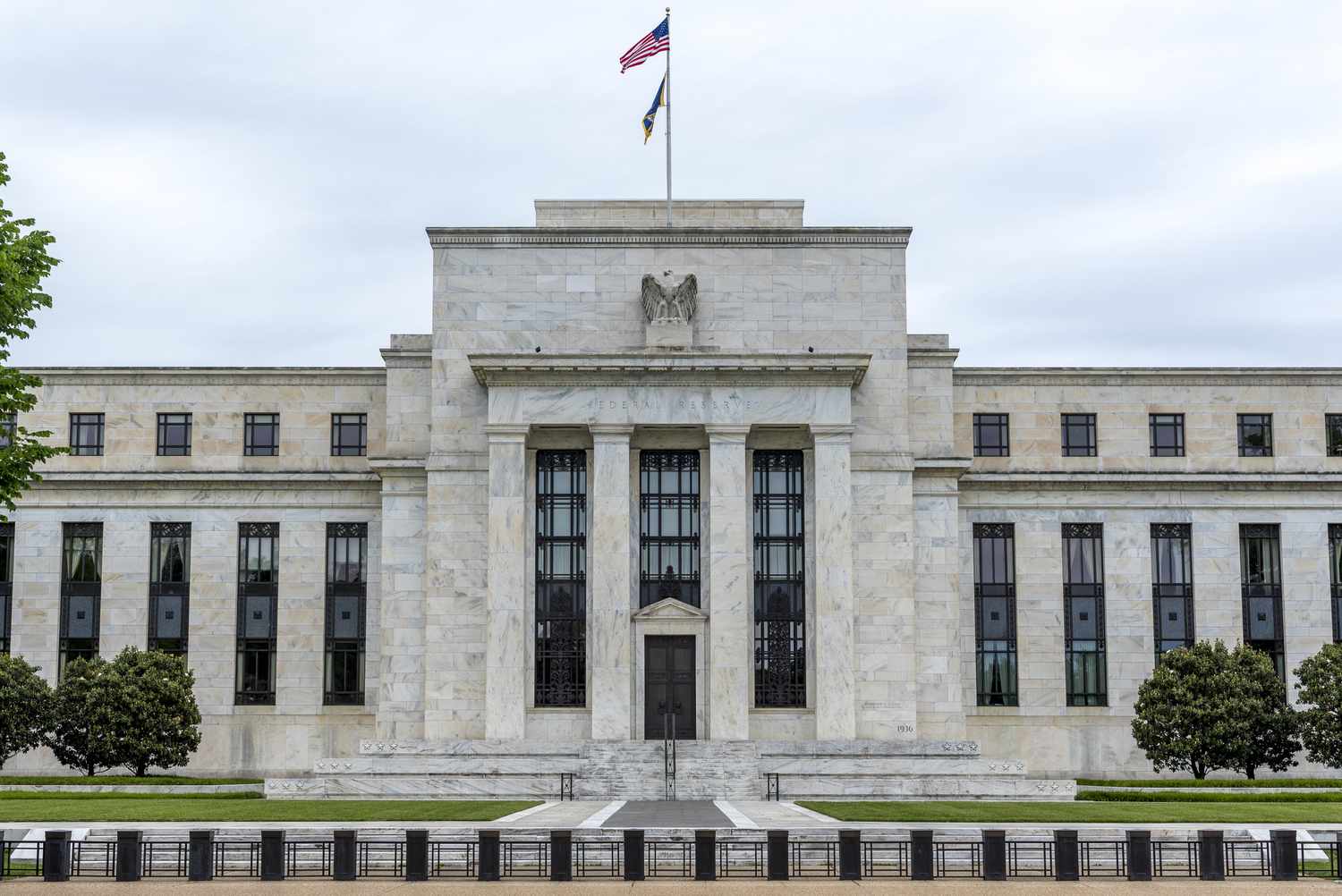
The markets have assumed a 50-basis-point rate cut for later this year. But with job growth barely above water and unemployment creeping higher, some are asking whether the Fed will have to move more aggressively in 2026.
Of course, monetary policy is only part of the picture. Confidence in labor market data has been rattled since President Trump ousted McEntarfer, claiming previous reports were “rigged.” While most economists believe the BLS remains politically independent, optics matter. When trust in the numbers erodes, it complicates not just Fed policy but business planning and investment decisions.
AI’s Subtle Squeeze
As we’ve predicted, the rise of AI doesn’t necessarily mean mass layoffs. Instead, its impact is subtler but equally consequential: it makes companies more cautious about hiring. Why bring on an extra analyst or marketing associate when AI tools can absorb some of that output?
The result is a labor market where employers aren’t firing in droves—but they’re also not adding at prior rates. This “no hire, no fire” reality creates a slow bleed for younger and less experienced workers, who find fewer rungs on the ladder and less mobility when trying to switch jobs.
Private employers are approaching the cooling labor market with a mix of caution and opportunism. Rather than pulling back across the board, they’re selectively adding roles tied to long-term priorities while trimming those seen as replaceable or overstaffed.
Still hiring: Companies continue to invest in technology, data, and compliance roles. Cloud engineers, cybersecurity specialists, and AI integration managers remain in demand as firms race to modernize operations. Healthcare and logistics employers are also posting steady gains, driven by demographic pressures and supply chain realignment. Even in a softer market, revenue-generating positions like enterprise sales and customer success are still being added—no one wants to risk growth stalling because they didn’t have the right client-facing talent.
Pulling back: Employers are cautious about entry-level administrative and analyst roles, many of which are being absorbed by automation or outsourced solutions. Routine manufacturing jobs are also contracting, with factories hesitant to add headcount given higher borrowing costs and AI-driven productivity gains. Middle management hiring has slowed as firms try to “do more with less,” stretching existing leaders rather than adding new layers.
Hiring isn’t frozen—but it’s targeted. Employers are signaling they’ll spend on capabilities that future-proof the business, while quietly sidelining roles that don’t.
A Labor Market in Transition
What’s clear is that the U.S. labor market is no longer the juggernaut it was in 2021 or 2022. The era of “quit and get a raise” is over. Workers—especially younger ones—face an uphill climb in landing new roles. Employers are weighing every headcount decision against a backdrop of AI adoption, higher capital costs, and geopolitical uncertainty.
For now, companies are holding steady—no big waves of layoffs, but little appetite for aggressive hiring. That leaves us in a strange in-between state: a labor market that’s neither collapsing nor thriving, but slowly cooling in ways that could redefine the workforce over the next several years.
Nov. 7 Webinar | Business Trends for 2026 and Beyond

Entering 2026, small and midsize businesses are navigating a world of constant change, shaped by rapid advancements in AI, shifting workforce dynamics, global instability, and economic uncertainty.
To help you make informed decisions, we will share our forecast for 2026, covering five key areas from our trends series:
- Economic
- Technology
- Social
- Artificial Intelligence
- Employment
These insights will reveal how you can turn trends in each of these areas into opportunities for growth and gain a lasting competitive edge for your business.
Date: November 7, 2025
Time: 1:00 p.m. ET / 10:00 a.m. PT
The Strategy Playbook Masterclass

Have you joined our Strategy Masterclass? In this 10-part series, you will learn how to master the art of strategy.
Click below to subscribe for free.
Marc’s Minute: Two Economies
Recommended Podcasts

TBPN (Technology Brother Podcast Network): Wildly fresh format mixing live tech talk with charismatic hosts and pop culture

Aspire With Emma Grede: Candid entrepreneurial stories with celebrity insight and real-life inspiration
The Strategy Experts

Marc Emmer is President and Chief Strategist & Facilitator at Optimize Inc. He is an author, speaker and consultant recognized as a thought leader throughout North America as an expert in strategic planning.


