

Population and payments
In 2000 around the world, the proportion of those aged 65+ to those aged 25-64 was about 1:4. By 2050, that ratio will be closer to 2:4, producing a population decline in many countries. Younger workers will have to support an aging population with higher healthcare costs.
France and South Korea pay stipends for children, and there are calls for similar subsidies in the U.S. Couples are opting to wait longer to have children, reducing the window in which they can have more than one.
In the U.S., the labor participation rate among women has risen a full point in the last year, in part because they have more flexible work options. So, governments will need to invest in progressive policies such as childcare tax credits.
The Economist: Cash for Kids
U.S. productivity

Image: Washington Post
In the U.S., growth is principally a function of two factors: the number of workers and their rate of productivity. Historically, productivity has been driven by education and training.
As a mature economy, U.S. productivity rises slowly (around 1.5% a year over the last 15 years).
Artificial intelligence offers new promise for productivity, not by reducing the number of workers but by accelerating their performance. For example, hybrid work shrinks commute times, and AI-enabled supply chains will be vastly more streamlined. Ecommerce promotes more efficiency than traditional retail, which suffers from excess inventory and theft.
There is early evidence of improvement. For example, one study found that developers using AI tools release code 56% faster. Yet these developments take time. Upon adoption of the internet, it took nearly a decade for productivity to improve in any meaningful way.
Smarter robots
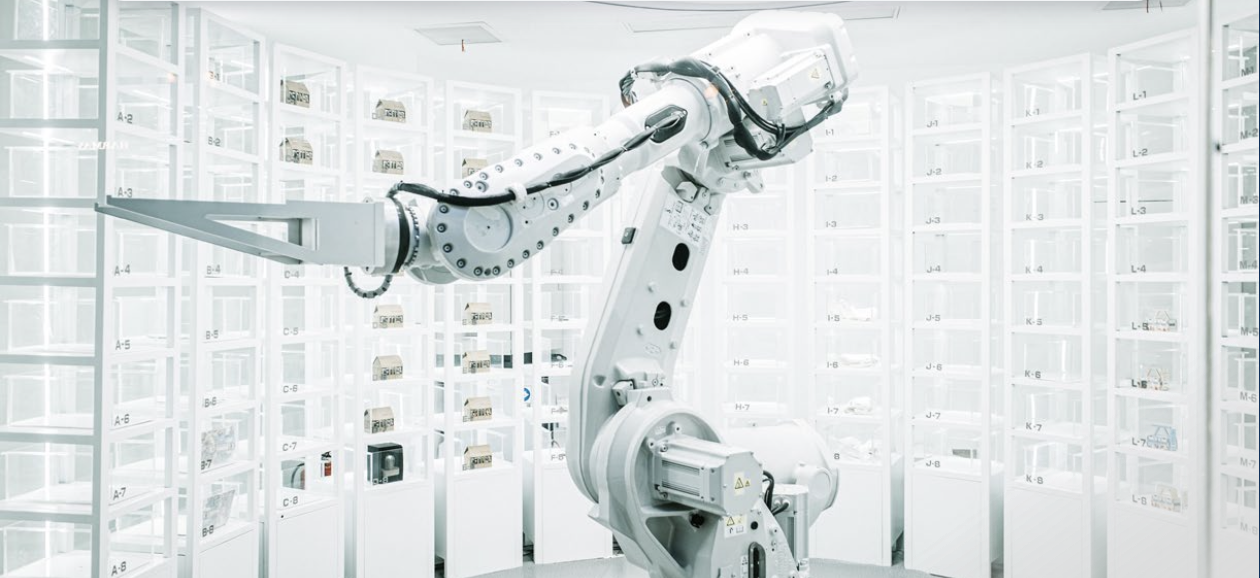
In recent years, companies have struggled to implement robotics in their effort to reduce costly labor. But robots are not smart—they only carry out the functions they’re programmed to perform.
AI researchers and universities have made strides this year, fueling a new round of robotics innovation. AI will facilitate the use of data for robots to make decisions that improve their safety, reliability and performance.
OpenAI, which closed its robotics division, has reversed course. In the future, robots will have the ability to respond to voice commands and learn our preferences. This will pave the way for humanoid robots and various commercial applications.
Strain on U.S. infrastructure
The electric grid is under strain. In the last three years, utility bills have been 24% higher, and demand is expected to outpace new capacity.
One culprit is data centers, which consume huge volumes of energy. Those supporting AI use a lot of electricity, and their numbers are growing quickly—not to mention the energy consumed by new construction of charging stations and data centers.
Companies and consumers are looking for ways to reduce electricity demands. Natural gas (and appliances that run on it) offers a cheaper option.
States see the prospects of economic development as they attract young, affluent residents seeking a better way of life. As Americans move to more rural areas, they have limited broadband access.
One part of the Infrastructure Bill that hasn’t had much attention is the Broadband Equity, Access, and Deployment (BEAD) Program, which provides $42 billion in federal subsidies, with much of it going to California and Texas. Among other technologies, BEAD will fund the expansion of fiber optic cabling. Major web providers such as AT&T, Verizon and Cox stand to benefit.
Kiplinger Letter
Webinar: The Stay or Go Survey

On June 28, join Founder and CEO of TalenTrust, Kathleen Quinn Votaw, and President of Optimize Inc., Marc Emmer, for a free webinar as they discuss their recently published white paper, The Stay or Go Survey: How Employer Expectations Differ From Their Employees.
You’ll have the opportunity to ask questions and gain insights from two industry leaders.
By Marc Emmer for Inc: An early look at ChatGPT-5

ChatGPT-5 is expected to feature multimodal capabilities and potential agent-like autonomy, which could revolutionize AI interactions.
Video: ScalabilityPro Framework
The Strategy Experts

Marc Emmer is President and Chief Strategist & Facilitator at Optimize Inc.
He is an author, speaker and consultant recognized as a thought leader throughout North America as an expert in strategic planning.


