

Witnessing History
Our practice is based in Los Angeles. We have many friends and colleagues impacted by the historic devastation here.
There were shocking visuals of human despair and heroism. There were neighbors supporting neighbors, and strangers supporting strangers. Firefighters ran into mountains of flames, working tirelessly day and night. Watching live footage of helicopters relentlessly dropping retardant to save neighborhoods was truly awe-inspiring.
Los Angeles is unique in many ways. It’s a place of generational wealth, and large families living in cramped spaces.
In the aftermath of the fire storm, there is a chorus of questions as people try to figure out who to blame. In the early moments of the catastrophic Palisades fire, news media showed residents with buckets of water and no firefighters in sight. The emergency alert system failed, distributing signals to the wrong communities. LA Mayor Karen Bass faces intense criticism as she ignored historic wind event warnings, instead traveling to Ghana to attend President John Dramani Mahama’s inauguration.
Within hours, markets evaluated the economic toll—this will be among the most expensive natural disasters in U.S. history. News accounts suggested many residents lacked adequate fire insurance. Back in August, we covered the archaic regulations for fire insurance in California, leaving the state as the insurer of last resort. As we noted at the time, the entire insurance industry is being turned upside down. Don’t forget, insurers and communities are still cleaning up from Hurricanes Helene and Milton, which devastated the East Coast.
We too believe our government has failed us. Amid battles over budget cuts and storm-force winds, the cavalry came too late. The response, especially in mass communications, was itself a disaster. One wonders whether our government is distracted by things other than protecting the people. We’re reminded that infrastructure investments—particularly as Los Angeles prepares for the 2028 Olympics—must prioritize resilience over optics. Perhaps this will be an opportunity for the region to adopt a broader strategy for building adequate housing.
But we must also be thoughtful about our Monday morning quarterbacking of public officials. There was a dark underbelly of hate, including social media suggestions that California is just a leftist state that had it coming. People making such comments amid an emergency need to spend some time in deep reflection.
It’s time to come together and rethink our priorities, starting with sharing our gratitude for first responders who are the heroes of this saga.
Global Risk 2025
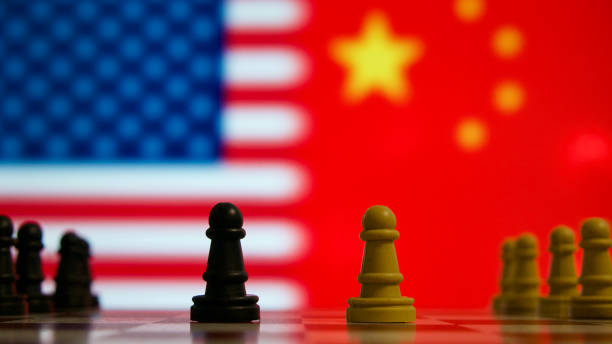
If you want to understand what’s going on in the world, take a gander at TED – The Biggest Global Risks for 2025 by Ian Bremmer. To paraphrase, he sees a void in global leadership. Neither U.S. political party is capable of ensuring security (as evidenced by the wars in Ukraine and Gaza), the rule of law, or climate change in the new world order.
He also points out that it was the United States who tried to bring China to the table when it was invited into the World Trade Organization in 1999. The presumption was that China would contribute to bilateral trade and play by the rules.
In terms of tariffs, Trump proposals come at a time when two of our three largest trading partners are in the midst of leadership transitions. Canada and Mexico are almost entirely reliant on the U.S. for trade. Like other incumbents, Trudeau’s fall from grace was fueled by inflation and the threat of U.S. tariffs. This follows the election of Mexico’s President Claudia Sheinbaum Pardo, a UC Berkeley-educated environmental scientist.
Not only will Canada and Mexico need to come to terms with the U.S., they’ll need to work with each other. It’s not hard to imagine infighting between Trump and Sheinbaum, who are not exactly aligned politically. Trump will expect Mexico to reduce immigration and the flow of fentanyl, and to curb Chinese illegal goods through Mexico.
Trump, who wears his unpredictability as a badge of honor, has consolidated his power at a time when countries like Russia, Iran, Germany and France are weaker. The U.S. has become “transactional”, levering various political, economic and military tactics to get what it wants from other countries, void of any comprehensive strategy for world order.
Why Are Mortgage Rates So High?
As we recently covered on this page, there has been a shift post-election to focus on the federal debt. Markets are driving 10-Year Treasuries higher (closing Friday at 4.77%).
The following graph illustrates the gap between the Federal Funds Rate, set by the Fed, and 30-year mortgage rates set by the free market. Gaps in the rate indicate a lack of confidence. But clearly rates are not moving in lock step, which is unwelcome news for affordable housing advocates and builders who have yet to put their foot on the gas.

In recent weeks, mortgage rates have risen higher, with Zillow reporting the average 30-year rate at 6.78%. This trend may also arrest the Fed’s desire to reduce rates further, as there doesn’t appear to be a 1:1 impact from their actions. Further, last week’s job report came in hot, revealing no slowing in the U.S. economy.
For Inc. by Marc Emmer: Get Ready to Pay the “AI Tax”
Video by Marc Emmer:
Long-Term Debt Cycle
The Strategy Experts

Marc Emmer is President and Chief Strategist & Facilitator at Optimize Inc.
He is an author, speaker and consultant recognized as a thought leader throughout North America as an expert in strategic planning.


