
Costs are rising again, and this time it’s not just inflation. It’s friction. There appears to be a shadow cost to disruption; fuel volatility, tariffs, supply chain instability, labor pressure, insurance costs, and geopolitical uncertainty are all quietly adding drag to the economy. People are about as confident in the economy as they are with a Spirit Airlines reservation.
The downstream result? Our clients are reporting the return of the elongated sales cycle. Everything is taking longer to close. Customers are hesitating, approvals require more layers of review, and businesses are taking longer to commit. The issue is not necessarily lack of demand. It is that uncertainty itself has become a cost.
And it all feels eerily familiar. Remember all the pent-up demand during Covid, and all the shortages that followed?
For example, disruptions tied to the Iran conflict have taken a meaningful portion of global helium supply offline, a critical input for semiconductors and advanced manufacturing. That’s a signal. There is a difference between a shortage and not being able to buy something at all.
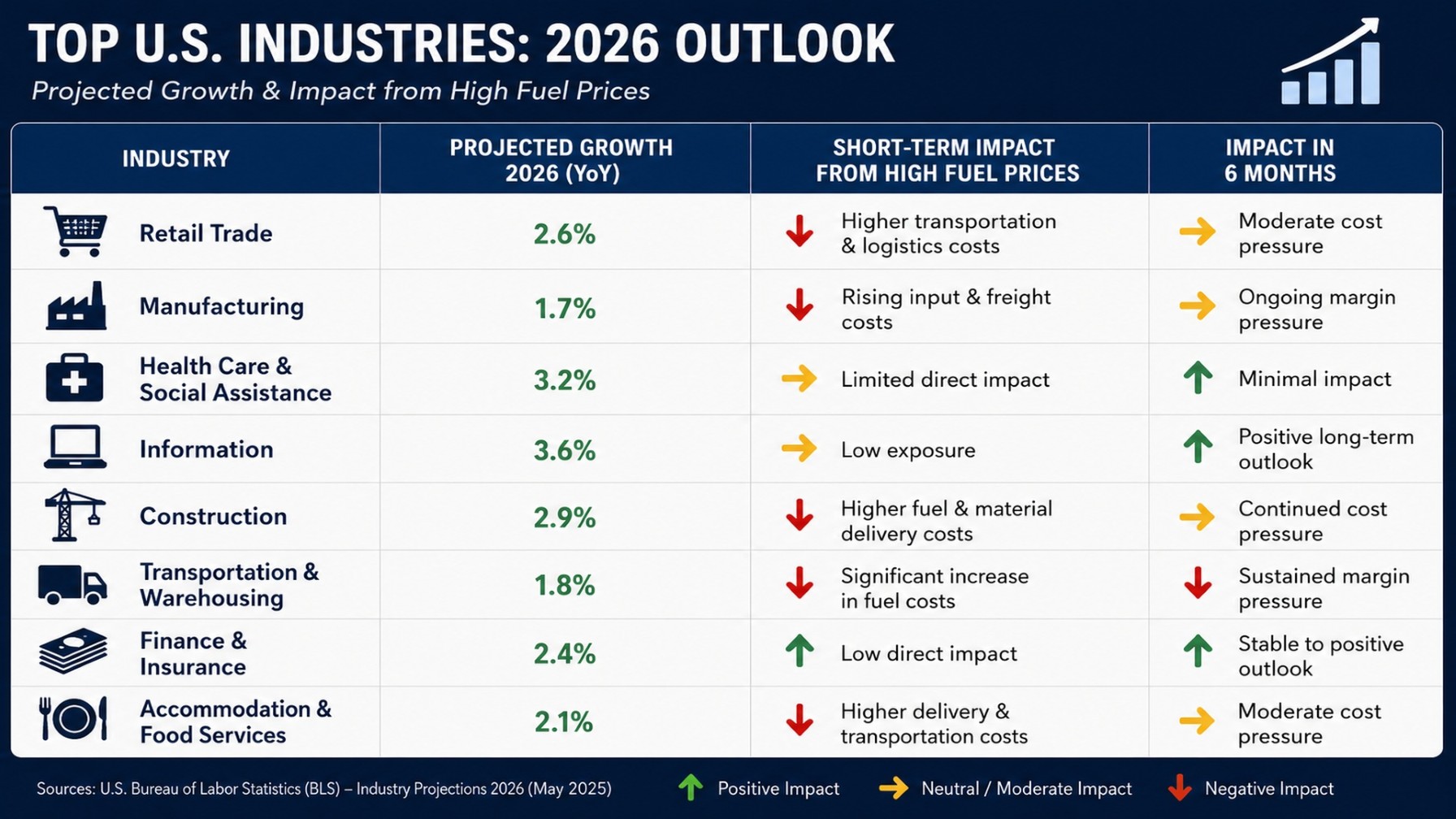
What’s Driving the Next Wave of Inflation?
CFOs are tracking fuel prices more closely than their fantasy baseball lineup.
Gas prices have moved from roughly $3.30 to over $4.15 per gallon. In a matter of months, costs which apply to freight, logistics, and production have dramatically increased.
Whether it’s rare earths, or shipping lanes, geopolitical tensions are constraining supply. As we’ve seen in past cycles, when we experience supply shocks, levers like rate hikes don’t solve the problem.
And buyers are pulling demand forward, fearing higher prices tomorrow. We saw this during COVID, customers aren’t saying yes or no, they are saying not yet.
The Economic Blockade Effect

Blockades, whether physical (shipping lanes) or economic (sanctions, tariffs), create asymmetric risk. They don’t impact all industries equally.
- Manufacturing sees input cost volatility
- Construction faces material delays and price swings
- Technology feels it through semiconductors and components
- Logistics absorbs fuel and routing inefficiencies
What CEOs Should Actually Do
This is where most companies get it wrong. They react tactically instead of structurally.
- Reprice with discipline, not panic
Surcharges and fees are becoming normalized (especially in logistics), but overreaching risks customer churn. - Segment your exposure
Not all customers or products can absorb price increases equally. - Secure critical inputs early
Lock in supply where possible, even at a premium, to avoid operational shutdowns. - Shorten decision cycles
In volatile environments, annual planning is too slow. Move to quarterly or even monthly recalibration of pricing, procurement, and inventory. - Treat working capital as strategy
Inventory, receivables, and payables are no longer back-office metrics.
The AI Tax Is Coming
I often muse with clients, that all they want is “AI tools that they can deploy right away, that will change their business forever and are free.” This of course is an unrealistic expectation.
Free AI may be the defining contradiction of the AI era.
For the last two years, companies have treated generative AI almost like a magic trick. Open a browser, type a prompt, and suddenly there’s strategy, code, marketing copy, research, automation, and analysis. The perception became that intelligence itself had become nearly free. But the market is now colliding with reality: AI is infrastructure, and infrastructure costs money.
AI is like a hotel minbar; it is a lot of fun until the bill arrives.
The economics underneath AI are becoming impossible to ignore. Just consider the fact that our consumption is rising during a time that hyperscalers are losing money. Large language models consume enormous amounts of compute power, electricity, networking, and specialized chips. Tokenization, the process of charging for usage based on prompts, outputs, and agent activity, is quietly becoming the new pricing model for enterprise software. What started as “free experimentation” is evolving into metered consumption.
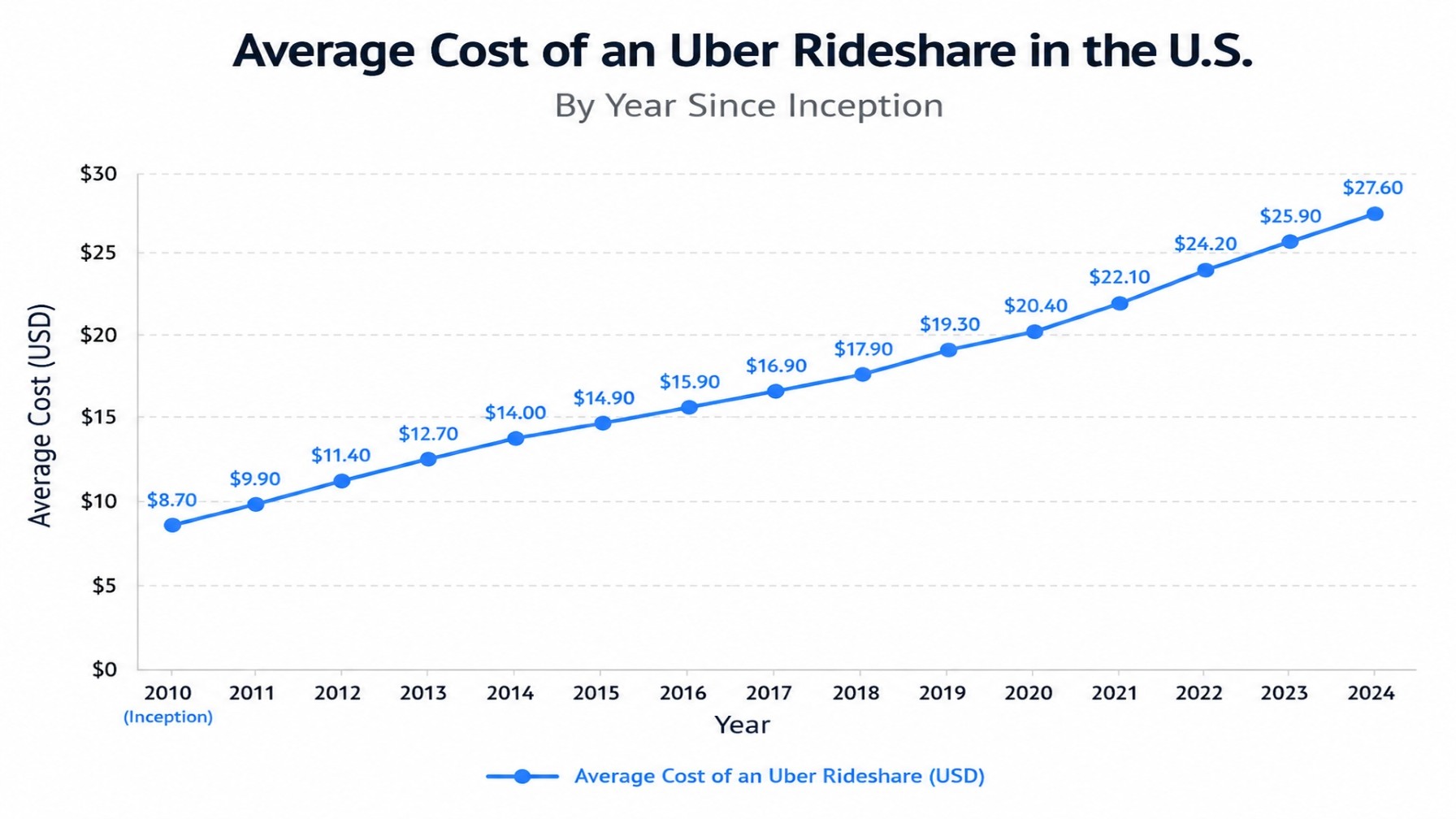
We’ve seen this movie before. This is exactly what has happened in other technology disruptions such as rideshares. Uber lost staggering amounts of money in its early years to gain market dominance. As demand increased, pricing surged.
Anthropic’s Claude models have become red hot in the enterprise market because of their reasoning capabilities and long context windows. But the company has also faced constraints tied to compute availability and infrastructure scale. Translation: there simply may not be enough compute for every enterprise workload, and every autonomous agent the market suddenly wants to deploy.
That also changes the economics of private companies.
The first wave of AI adoption was experimentation. The next wave will be operationalization. Agents that execute workflows, analyze contracts, manage customer service, monitor supply chains, or automate finance functions are not toys. They consume resources continuously. A single enterprise running thousands of AI-driven processes could see material increases in technology spending.
Ironically, AI may simultaneously reduce labor costs while increasing infrastructure costs.
This creates a new strategic balancing act for CEOs and CFOs. The winners will not necessarily be the companies with the most AI tools. They will be the companies that deploy AI where the ROI is measurable and defensible.
The AI gold rush is evolving into something much more serious: a battle over infrastructure, economics, and who can afford intelligence at scale.
Marc’s Minute: The Secret Formula for Client Acquisition
Sustaining growth requires that companies have a multi-faceted formula for business development. In the latest Marc’s Minute, we will examine how to penetrate multiple channels at the same time.
White Paper: Client Acquisition

See the white paper featured in the Marc’s Minute which features the seeds, nets, and spears framework for business development.
Dividend Café: Corrections, Manias, and the Lessons of History

This Dividend Café podcast episode unpacks volatile markets, the difference between drawdowns and bubbles, and whether today’s AI boom is sustainable along with key investment takeaways for navigating what comes next.
The Strategy Experts

Marc Emmer is President of Optimize Inc. He is an author, speaker and consultant recognized as a thought leader throughout North America and as an expert in strategic planning.


